Posture Brace vs Smart Posture Trainer: Which Fixes Desk Slouching Better?
3 min read · Updated November 15, 2026
Both promise better posture at your desk, but they work in completely different ways. A brace physically cues your shoulders back. A smart trainer leaves you free and vibrates when you slouch. Here's how to choose.
Our pick
Upright Smart Posture Trainer · $42.95
For most desk workers, the smart trainer builds the lasting habit because it teaches you to notice slouching yourself. The brace is a good, low-cost add-on if rounded shoulders are your main issue.
| Feature | Smart Posture Trainer | Posture Brace |
|---|---|---|
| Price | $42.95 | $25.95 |
| In short | A gentle vibration the moment you start to slouch | A lightweight brace that gently cues your shoulders back |
| Key features |
|
|
| Shipping | Ships from USA, 3–5 days | Ships from USA, 3–5 days |
How each one works
The ShoulderBack Posture Support Brace is a lightweight strap system worn around the shoulders. When you start to round forward, you feel the straps, a constant physical cue to sit back.
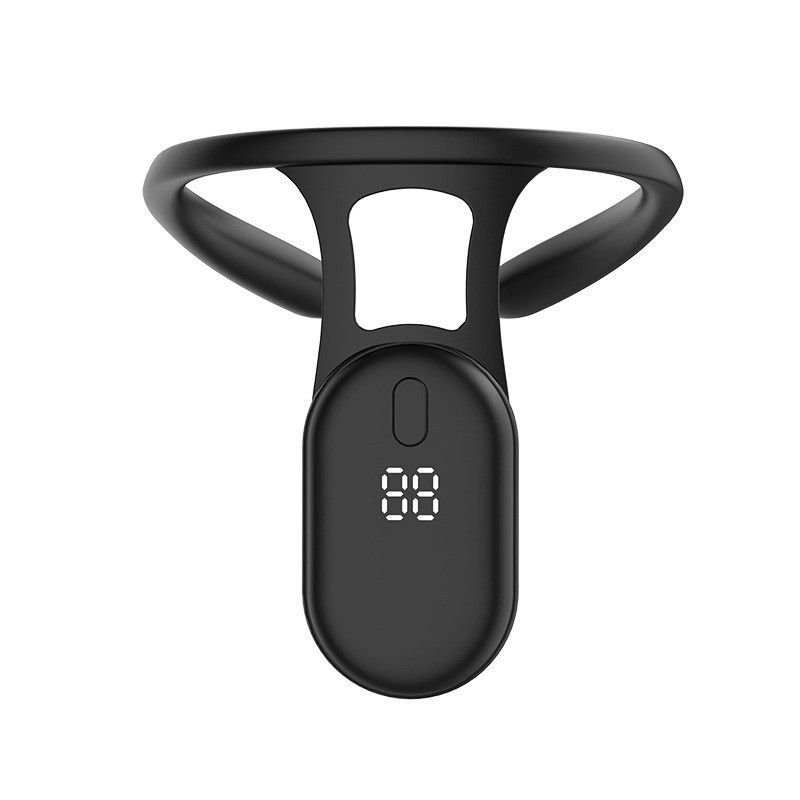
The Upright Smart Posture Trainer rests lightly around the back of your neck with no straps. It senses when you hunch forward, gives a soft vibration, and goes quiet once you sit tall.
Side by side: what daily use is like
Putting it on: the trainer slips around your neck in a second, with one size and no straps. The brace takes a minute to put on and adjust, and you'll pick a size (S or M) when you order.
While you work: you forget the trainer is there until it buzzes. The brace is a gentle, constant presence across your shoulders, which some people find reassuring and others find distracting during long sessions.
What it targets: the trainer responds to your upper back and head tipping forward. The brace mainly cues your shoulders back. If you're not sure which is your issue, take a side-on photo of yourself at your desk mid-afternoon: if your head is well in front of your shoulders, start with the trainer.
Charging and care: the trainer is rechargeable, and the brace needs nothing beyond an occasional hand wash.
Choose the smart trainer if…
…your main issue is your head and upper back drifting forward toward the screen (classic tech neck), you want something you barely notice until you slouch, and you'd like to see progress in the reminder counter. It doesn't hold you in place. It trains you to catch yourself, which is what makes the habit last.
Choose the brace if…
…your shoulders are what round forward, you like a constant physical reminder, and you want the lowest-cost option. Wear it in 20–30 minute sessions rather than all day. It's an awareness tool, not a crutch.
What about both?
They complement each other: the brace for shoulder awareness during focused blocks, the trainer for catching forward-head drift the rest of the day. The brace counts as an add-on, so it won't affect your bundle discount on other tools.
A note on expectations
Everything here is about comfort, habits and feeling looser at the end of the day. These are wellness tools, not medical devices. If you have pain that is sharp, persistent or getting worse, numbness or tingling down an arm or leg, or a known spine or joint condition, check in with a doctor or physical therapist before starting a new routine.
Shop this guide

FAQ
Keep reading
Tech Neck: A 10-Minute Desk-Day Reset You'll Actually Keep Doing
Stiff, forward-head 'tech neck' after long screen days? A simple desk setup fix, 4 micro-breaks and an evening reset routine that takes 10 minutes.
Upper Trap Knots From Desk Work: Why They Form and a Daily Release Routine
Tight knots between your neck and shoulders after desk days? Why upper traps get tense, 3 stretches and a 5-minute self-massage routine to loosen up.
Lower Back Stiff From Sitting All Day? A Desk Worker's Reset Routine
Lower back feels stiff after long days in a chair? How to sit better, 4 desk-friendly moves and a 10-minute evening routine to loosen up.
Unknot sells the products featured in this guide. Wellness and comfort products, not medical devices.