Lower Back Stiff From Sitting All Day? A Desk Worker's Reset Routine
3 min read · Updated November 15, 2026
Standing up after a long stretch at your desk and feeling your lower back protest is one of the most common desk-job complaints. Usually it comes from staying in one rounded position too long, not from one wrong movement. Here's how to sit better, move more, and loosen up at the end of the day.
Our pick
ArchReset Neck & Back Stretcher · $44.95
Moving the opposite way to sitting is the single best end-of-day habit, and a back stretcher makes it effortless.
Why sitting makes your lower back feel stiff
When you slump, your lower back rounds and your pelvis tucks under. Hold that for hours and the muscles and tissues around your lower back and hips settle into it. Your hip flexors stay shortened and your glutes switch off.
The answer isn't sitting perfectly upright all day, which nobody can hold. It's better support, more frequent position changes, and a daily dose of movement in the opposite direction.
Set up your chair
- 1Sit all the way back so the backrest supports the curve of your lower back. A rolled towel works if your chair has no lumbar support.
- 2Hips level with or slightly above your knees, feet flat on the floor or a footrest.
- 3Screen at eye level, so you aren't pulled forward into a slump.
- 4Set a timer: stand up at least every 30–45 minutes, even for one minute.
Four desk-friendly moves
Do one or two every time you stand up. None of them need a mat.
- 1Standing back extension: hands on your lower back, gently lean back a few degrees, then return. 5–10 reps.
- 2Hip flexor stretch: step one foot back into a short lunge, tuck your tailbone and feel the front of the back hip. 30 seconds per side.
- 3Seated figure-four: ankle on the opposite knee, sit tall and hinge forward slightly. 30 seconds per side.
- 4Glute squeeze: standing, squeeze your glutes for 5 seconds, 10 times. It wakes up the muscles sitting switches off.
A 10-minute evening reset
The ArchReset Neck & Back Stretcher works under your lower back as well as your neck. Lying over its curved arch gives your lower back a slow, supported stretch in the opposite direction to sitting, and you don't have to do anything but breathe.
- 1Lie on your back with knees bent and place the arch under your lower back, just above your belt line.
- 2Stay 2–3 minutes to start. Lay a thin towel over the nodes if they feel too intense.
- 3Let your arms rest by your sides or overhead and breathe slowly.
- 4Remove it, hug your knees to your chest for 30 seconds, then roll to your side to get up.
Work into tight spots
If your stiffness sits in the muscles beside your spine or in your glutes, suction massage is an easy way to work into them. Glide the CupFlow Smart Cupping Massager slowly along the muscles either side of your lower back, never directly over the spine, for a few minutes after the stretch.
Catch the slump before it starts
Most of us slump without noticing. A posture reminder like the Upright Smart Posture Trainer buzzes when you start to hunch forward, prompting you to sit back into your chair's support.
A note on expectations
Everything here is about comfort, habits and feeling looser at the end of the day. These are wellness tools, not medical devices. If you have pain that is sharp, persistent or getting worse, numbness or tingling down an arm or leg, or a known spine or joint condition, check in with a doctor or physical therapist before starting a new routine.
Shop this guide

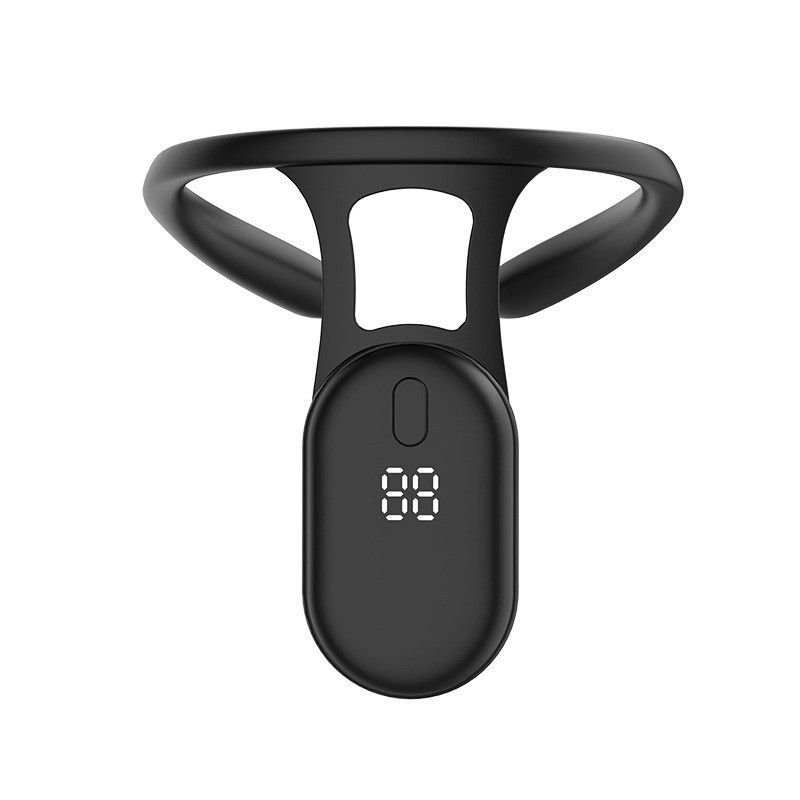
A curved, acupressure-textured stretcher for desk-day neck and lower-back resets
$44.95

Cordless suction cupping with 12 levels, the recovery ritual athletes love, made easy
$53.95
FAQ
Keep reading
Tech Neck: A 10-Minute Desk-Day Reset You'll Actually Keep Doing
Stiff, forward-head 'tech neck' after long screen days? A simple desk setup fix, 4 micro-breaks and an evening reset routine that takes 10 minutes.
Upper Trap Knots From Desk Work: Why They Form and a Daily Release Routine
Tight knots between your neck and shoulders after desk days? Why upper traps get tense, 3 stretches and a 5-minute self-massage routine to loosen up.
Desk Posture Alignment: How to Set Up Your Workspace and Make Good Posture a Habit
A practical desk posture checklist: monitor, chair, keyboard and feet. Plus the habit tricks that make good alignment automatic.
Unknot sells the products featured in this guide. Wellness and comfort products, not medical devices.